
- published: 19 Mar 2023
- views: 605212
Cacao
Cacao may refer to:
- Cocoa bean, from the tree
See also
This page contains text from Wikipedia, the Free Encyclopedia - https://wn.com/Cacao
CACAO
CACAO is a research Java Virtual Machine developed at Vienna University of Technology. It compiles the class binaries while running (no interpreter), resulting in faster execution. It is an academic project, originally developed by students doing practical training or diploma theses on specific topics.
The first version of CACAO was released at 1997 as a faster replacement for Sun's implementation of the Java Virtual Machine, which at that time only had an interpreter. Current Sun virtual machines also use just-in-time compiling.
CACAO gained traction after becoming a free software project in 2004, distributed under the term of the GNU General Public License. It uses GNU Classpath as its class library.
CACAO supports Alpha, ARM, MIPS (32 and 64-bit), PowerPC (32 and 64-bit), S390, SPARC64, x86 and x86-64 architectures.
With 1.6.0 release large parts of the C code were rewritten in C++. The migration was completed with the 1.6.1 release in June 2013.
See also
This page contains text from Wikipedia, the Free Encyclopedia - https://wn.com/CACAO
Podcasts:
-

#1 Superfood Powder that Heals Your Body & Skin | Dr. Mandell
Cacao is extremely high in antioxidants, which help protect your cells from oxidation and aging. Raw cacao contains more than 20x’s the amount of antioxidants in blueberries (ORAC value score). It's packed with flavonoids. These nutrients have been shown to help lower blood pressure and improve blood flow to the brain and heart. Cacao improves circulation and hydration in the skin. Circulation stimulates new blood flow to the surface of the skin, keeping it healthy and glowing Cacao is a potent anti-inflammatory, it soothes redness and blemishes, improving the skin’s complexion. Cacao has high amounts of iron and magnesium and is the richest food source of these nutrients. Please subscribe so you and your family can stay healthy and happy. https://www.youtube.com/user/motivationaldoc...
published: 19 Mar 2023 -

Cocoa: Food of the Gods | Simon Waslander | TEDxUniversityofGroningen
Besides writing research papers about numerous financial topics, Simon Wallander is investigating the important question of how to improve the health of people. He presents a solution to this problem that is both brilliant and unexpected. Simon is not only a medicine student at the University of Groningen, but also the Co-founder and CEO of ForesightInvestor.com, a financial research platform with in-depth analysis of financial topics and products. This talk was given at a TEDx event using the TED conference format but independently organized by a local community. Learn more at http://ted.com/tedx
published: 23 Apr 2015 -

Making Superfood Chocolate Using 100% Raw Cacao | GRATEFUL
Creating incredibly pure chocolate is both an art and a science but is cacao really good for you? RELATED: Next Gen Farming Without Soil and 90% Less Water https://youtu.be/3Ww2TP_tU7o Chocolate can be a lot more than a sugary candy bar. It comes from cacao but even that's confusing. Are cacao and cocoa the same thing? Today we're learning from the master chocolatiers at ChocolaTree how to turn raw cacao beans into 100% pure chocolate. This isn't like any chocolate you've ever tasted and it's not nearly as bitter as you'd imagine. Rich and decadent, this chocolate is meant to be savored and appreciated one piece at a time. It is even said that chocolate this good has many medicinal (and even magical) properties. #chocolatier #chocolate #cacao » Subscribe to Grateful: https://www.yout...
published: 20 Nov 2019 -

Top 5 Benefits of Raw Cacao and My Favorite Way to Consume
Cacao, otherwise known as chocolate is one of the most sought after foods in modern society. This ancient food source has been used in many cultures and has been revered for its outstanding taste and surprising health benefits. For more info read this article: https://drjockers.com/raw-cacao/ Cacao Bliss: https://bit.ly/3ikCZ9x
published: 15 Apr 2022 -

Why cacao is bad for you?
00:00 - Why cacao is bad for you? 00:44 - Is it OK to eat cacao everyday? 01:12 - Can I drink cacao everyday? 01:38 - Why does cacao have a warning label? 01:54 - How often should you drink cacao? 02:22 - What are the side effects of cacao? 02:54 - How much cacao should I eat daily? 03:21 - How many cacao beans should I eat daily? 03:52 - How does cacao make you feel? 04:24 - Does cacao make you sleepy? 04:53 - Is cacao good or bad? Laura S. Harris (2021, April 11.) Why cacao is bad for you? AskAbout.video/articles/Why-cacao-is-bad-for-you-236085 ---------- We believe that education is essential for every people. That was our intention with this video as well. The scientific perspective in some cases requires the presentation of data that may be harmful in some respects.
published: 18 Apr 2021 -

What Makes Dark Chocolate a Superfood? | Superfoods Guide
Watch more How to Eat More Superfoods videos: http://www.howcast.com/videos/501727-What-Makes-Dark-Chocolate-a-Superfood-Superfoods-Guide Yes it's true sometimes you can have your cake and eat it too. One of my favorite superfoods is dark chocolate. Recent studies have shown that by consuming 100 grams of dark chocolate a day you can reduce your chance of cardiovascular disease by up to 21 percent. One of the reasons why dark chocolate is a superfood is that it contains flavonols which actually reduce the blood clotting in your arteries, thus reducing your blood pressure and your chances of cardiovascular disease. Now, not all dark chocolate is the same; you need to look for organic or natural dark chocolate with at least a 60% cacao makeup in the ingredient profile. And you can find th...
published: 14 Jul 2012 -

Cacao…The Miracle Healing Superfood! Dr. Mandell #shorts
Cacao powder is packed with flavonoids. These nutrients that have been shown to help lower blood pressure, improve blood flow to the brain and heart, and aid in preventing blood clots. The flavonoids in cacao powder may help increase insulin sensitivity, reducing your risk of diabetes. Please subscribe so you and your family can stay healthy and happy. https://www.youtube.com/user/motivationaldoc Please share this video with your friends and family. Wishing you and your family many Blessings! ❤️😊🙏 Dr M Make sure you like us on facebook: https://www.facebook.com/motivationaldoc/ Please leave your reviews if you wouldn't mind taking the time. Thank you. Website: https://www.motivationaldoc.com
published: 11 Jul 2021 -

The Potential Health Benefits of Chocolate
This clip is taken from the Joe Rogan Experience #1616 with Jamie Metzl. https://open.spotify.com/episode/7aitKgecZ0fPKjT15no5jU?si=36cdf6c2c2234b17
published: 10 Mar 2021 -

Cacao - Superfood - Healthy Recipes
Cacao is one of my favorite superfoods, it has so many health benefits as well. If you have never had cacao, get some at your local store. Check out our website for more into. :) http://www.fitlife.tv Also, add me on Facebook Fitlifer http://www.facebook.com/vegetablejuicing The flavanol (−)-epicatechin prevents stroke damage through the Nrf2/HO1 pathway This study in the Journal of Cerebral Blood Flow and Metabolism indicates that the flavanols found in cacao may be helpful in preventing additional neural damage in the case of a stroke. This could indicate a protective function for the flavanols found in cacao, as cocoa was specifically used as part of the trial. Ingredient in Dark Chocolate Could Guard Against Stroke Additional details on the neuro-benefits of cocoa and more laym...
published: 01 Sep 2012 -
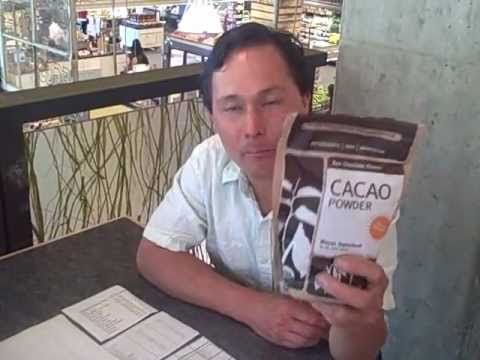
Raw Chocolate Cacao is NOT the Superfood its Claimed
John from http://www.okraw.com shares with you some eye-opening research about cacao. Raw chocolate is said to be the highest source of antioxidants and magensium. In this video you will discover if that is truth or fiction. In addition you will learn other raw chocolate facts, and about a study that showed that people who are depressed eat more cacao.
published: 30 May 2011
developed with YouTube
4:56
#1 Superfood Powder that Heals Your Body & Skin | Dr. Mandell
- Order: Reorder
- Duration: 4:56
- Uploaded Date: 19 Mar 2023
- views: 605212
Cacao is extremely high in antioxidants, which help protect your cells from oxidation and aging. Raw cacao contains more than 20x’s the amount of antioxidants i...
Cacao is extremely high in antioxidants, which help protect your cells from oxidation and aging. Raw cacao contains more than 20x’s the amount of antioxidants in blueberries (ORAC value score). It's packed with flavonoids. These nutrients have been shown to help lower blood pressure and improve blood flow to the brain and heart.
Cacao improves circulation and hydration in the skin. Circulation stimulates new blood flow to the surface of the skin, keeping it healthy and glowing
Cacao is a potent anti-inflammatory, it soothes redness and blemishes, improving the skin’s complexion.
Cacao has high amounts of iron and magnesium and is the richest food source of these nutrients.
Please subscribe so you and your family can stay healthy and happy. https://www.youtube.com/user/motivationaldoc
Please share this video with your friends and family. Wishing you and your family many Blessings! ❤️😊🙏 Dr M
Make sure you like us on facebook: https://www.facebook.com/motivationaldoc/
Website: https://www.motivationaldoc.com
https://wn.com/1_Superfood_Powder_That_Heals_Your_Body_Skin_|_Dr._Mandell
Cacao is extremely high in antioxidants, which help protect your cells from oxidation and aging. Raw cacao contains more than 20x’s the amount of antioxidants in blueberries (ORAC value score). It's packed with flavonoids. These nutrients have been shown to help lower blood pressure and improve blood flow to the brain and heart.
Cacao improves circulation and hydration in the skin. Circulation stimulates new blood flow to the surface of the skin, keeping it healthy and glowing
Cacao is a potent anti-inflammatory, it soothes redness and blemishes, improving the skin’s complexion.
Cacao has high amounts of iron and magnesium and is the richest food source of these nutrients.
Please subscribe so you and your family can stay healthy and happy. https://www.youtube.com/user/motivationaldoc
Please share this video with your friends and family. Wishing you and your family many Blessings! ❤️😊🙏 Dr M
Make sure you like us on facebook: https://www.facebook.com/motivationaldoc/
Website: https://www.motivationaldoc.com
12:16
Cocoa: Food of the Gods | Simon Waslander | TEDxUniversityofGroningen
- Order: Reorder
- Duration: 12:16
- Uploaded Date: 23 Apr 2015
- views: 147114
Besides writing research papers about numerous financial topics, Simon Wallander is investigating the important question of how to improve the health of people....
Besides writing research papers about numerous financial topics, Simon Wallander is investigating the important question of how to improve the health of people. He presents a solution to this problem that is both brilliant and unexpected.
Simon is not only a medicine student at the University of Groningen, but also the Co-founder and CEO of ForesightInvestor.com, a financial research platform with in-depth analysis of financial topics and products.
This talk was given at a TEDx event using the TED conference format but independently organized by a local community. Learn more at http://ted.com/tedx
https://wn.com/Cocoa_Food_Of_The_Gods_|_Simon_Waslander_|_Tedxuniversityofgroningen
Besides writing research papers about numerous financial topics, Simon Wallander is investigating the important question of how to improve the health of people. He presents a solution to this problem that is both brilliant and unexpected.
Simon is not only a medicine student at the University of Groningen, but also the Co-founder and CEO of ForesightInvestor.com, a financial research platform with in-depth analysis of financial topics and products.
This talk was given at a TEDx event using the TED conference format but independently organized by a local community. Learn more at http://ted.com/tedx
- published: 23 Apr 2015
- views: 147114
11:11
Making Superfood Chocolate Using 100% Raw Cacao | GRATEFUL
- Order: Reorder
- Duration: 11:11
- Uploaded Date: 20 Nov 2019
- views: 106637
Creating incredibly pure chocolate is both an art and a science but is cacao really good for you? RELATED: Next Gen Farming Without Soil and 90% Less Water http...
Creating incredibly pure chocolate is both an art and a science but is cacao really good for you? RELATED: Next Gen Farming Without Soil and 90% Less Water https://youtu.be/3Ww2TP_tU7o
Chocolate can be a lot more than a sugary candy bar. It comes from cacao but even that's confusing. Are cacao and cocoa the same thing? Today we're learning from the master chocolatiers at ChocolaTree how to turn raw cacao beans into 100% pure chocolate.
This isn't like any chocolate you've ever tasted and it's not nearly as bitter as you'd imagine. Rich and decadent, this chocolate is meant to be savored and appreciated one piece at a time. It is even said that chocolate this good has many medicinal (and even magical) properties.
#chocolatier #chocolate #cacao
» Subscribe to Grateful: https://www.youtube.com/GratefulCo?sub_confirmation=1.
» Watch more videos: https://www.youtube.com/playlist?list=PLJujmjaQELiv3lTUInDbLz_eCYvEojS7E
» Grateful is a team of creators & friends exploring everyday curiosities in the pursuit of bringing more joy to life. We don't have all the answers but we ask all the questions to help people discover what it means to live a bold, colorful & grateful life.
https://wn.com/Making_Superfood_Chocolate_Using_100_Raw_Cacao_|_Grateful
Creating incredibly pure chocolate is both an art and a science but is cacao really good for you? RELATED: Next Gen Farming Without Soil and 90% Less Water https://youtu.be/3Ww2TP_tU7o
Chocolate can be a lot more than a sugary candy bar. It comes from cacao but even that's confusing. Are cacao and cocoa the same thing? Today we're learning from the master chocolatiers at ChocolaTree how to turn raw cacao beans into 100% pure chocolate.
This isn't like any chocolate you've ever tasted and it's not nearly as bitter as you'd imagine. Rich and decadent, this chocolate is meant to be savored and appreciated one piece at a time. It is even said that chocolate this good has many medicinal (and even magical) properties.
#chocolatier #chocolate #cacao
» Subscribe to Grateful: https://www.youtube.com/GratefulCo?sub_confirmation=1.
» Watch more videos: https://www.youtube.com/playlist?list=PLJujmjaQELiv3lTUInDbLz_eCYvEojS7E
» Grateful is a team of creators & friends exploring everyday curiosities in the pursuit of bringing more joy to life. We don't have all the answers but we ask all the questions to help people discover what it means to live a bold, colorful & grateful life.
- published: 20 Nov 2019
- views: 106637
7:57
Top 5 Benefits of Raw Cacao and My Favorite Way to Consume
- Order: Reorder
- Duration: 7:57
- Uploaded Date: 15 Apr 2022
- views: 28432
Cacao, otherwise known as chocolate is one of the most sought after foods in modern society. This ancient food source has been used in many cultures and has bee...
Cacao, otherwise known as chocolate is one of the most sought after foods in modern society. This ancient food source has been used in many cultures and has been revered for its outstanding taste and surprising health benefits. For more info read this article: https://drjockers.com/raw-cacao/
Cacao Bliss: https://bit.ly/3ikCZ9x
https://wn.com/Top_5_Benefits_Of_Raw_Cacao_And_My_Favorite_Way_To_Consume
Cacao, otherwise known as chocolate is one of the most sought after foods in modern society. This ancient food source has been used in many cultures and has been revered for its outstanding taste and surprising health benefits. For more info read this article: https://drjockers.com/raw-cacao/
Cacao Bliss: https://bit.ly/3ikCZ9x
- published: 15 Apr 2022
- views: 28432
5:20
Why cacao is bad for you?
- Order: Reorder
- Duration: 5:20
- Uploaded Date: 18 Apr 2021
- views: 68607
00:00 - Why cacao is bad for you?
00:44 - Is it OK to eat cacao everyday?
01:12 - Can I drink cacao everyday?
01:38 - Why does cacao have a warning label?
01:54...
00:00 - Why cacao is bad for you?
00:44 - Is it OK to eat cacao everyday?
01:12 - Can I drink cacao everyday?
01:38 - Why does cacao have a warning label?
01:54 - How often should you drink cacao?
02:22 - What are the side effects of cacao?
02:54 - How much cacao should I eat daily?
03:21 - How many cacao beans should I eat daily?
03:52 - How does cacao make you feel?
04:24 - Does cacao make you sleepy?
04:53 - Is cacao good or bad?
Laura S. Harris (2021, April 11.) Why cacao is bad for you?
AskAbout.video/articles/Why-cacao-is-bad-for-you-236085
----------
We believe that education is essential for every people. That was our intention with this video as well. The scientific perspective in some cases requires the presentation of data that may be harmful in some respects.
https://wn.com/Why_Cacao_Is_Bad_For_You
00:00 - Why cacao is bad for you?
00:44 - Is it OK to eat cacao everyday?
01:12 - Can I drink cacao everyday?
01:38 - Why does cacao have a warning label?
01:54 - How often should you drink cacao?
02:22 - What are the side effects of cacao?
02:54 - How much cacao should I eat daily?
03:21 - How many cacao beans should I eat daily?
03:52 - How does cacao make you feel?
04:24 - Does cacao make you sleepy?
04:53 - Is cacao good or bad?
Laura S. Harris (2021, April 11.) Why cacao is bad for you?
AskAbout.video/articles/Why-cacao-is-bad-for-you-236085
----------
We believe that education is essential for every people. That was our intention with this video as well. The scientific perspective in some cases requires the presentation of data that may be harmful in some respects.
- published: 18 Apr 2021
- views: 68607
1:17
What Makes Dark Chocolate a Superfood? | Superfoods Guide
- Order: Reorder
- Duration: 1:17
- Uploaded Date: 14 Jul 2012
- views: 5854
Watch more How to Eat More Superfoods videos: http://www.howcast.com/videos/501727-What-Makes-Dark-Chocolate-a-Superfood-Superfoods-Guide
Yes it's true somet...
Watch more How to Eat More Superfoods videos: http://www.howcast.com/videos/501727-What-Makes-Dark-Chocolate-a-Superfood-Superfoods-Guide
Yes it's true sometimes you can have your cake and eat it too. One of my favorite superfoods is dark chocolate. Recent studies have shown that by consuming 100 grams of dark chocolate a day you can reduce your chance of cardiovascular disease by up to 21 percent. One of the reasons why dark chocolate is a superfood is that it contains flavonols which actually reduce the blood clotting in your arteries, thus reducing your blood pressure and your chances of cardiovascular disease. Now, not all dark chocolate is the same; you need to look for organic or natural dark chocolate with at least a 60% cacao makeup in the ingredient profile. And you can find that label on the front of the package to see how much cacao is in the dark chocolate. Another thing about dark chocolate it's been proven to lift your mood. So when you looking for a healthy, mid-afternoon snack to get you through the rest of the busy workday go ahead and reach for a healthy piece of dark chocolate.
https://wn.com/What_Makes_Dark_Chocolate_A_Superfood_|_Superfoods_Guide
Watch more How to Eat More Superfoods videos: http://www.howcast.com/videos/501727-What-Makes-Dark-Chocolate-a-Superfood-Superfoods-Guide
Yes it's true sometimes you can have your cake and eat it too. One of my favorite superfoods is dark chocolate. Recent studies have shown that by consuming 100 grams of dark chocolate a day you can reduce your chance of cardiovascular disease by up to 21 percent. One of the reasons why dark chocolate is a superfood is that it contains flavonols which actually reduce the blood clotting in your arteries, thus reducing your blood pressure and your chances of cardiovascular disease. Now, not all dark chocolate is the same; you need to look for organic or natural dark chocolate with at least a 60% cacao makeup in the ingredient profile. And you can find that label on the front of the package to see how much cacao is in the dark chocolate. Another thing about dark chocolate it's been proven to lift your mood. So when you looking for a healthy, mid-afternoon snack to get you through the rest of the busy workday go ahead and reach for a healthy piece of dark chocolate.
- published: 14 Jul 2012
- views: 5854
0:28
Cacao…The Miracle Healing Superfood! Dr. Mandell #shorts
- Order: Reorder
- Duration: 0:28
- Uploaded Date: 11 Jul 2021
- views: 127137
Cacao powder is packed with flavonoids. These nutrients that have been shown to help lower blood pressure, improve blood flow to the brain and heart, and aid in...
Cacao powder is packed with flavonoids. These nutrients that have been shown to help lower blood pressure, improve blood flow to the brain and heart, and aid in preventing blood clots. The flavonoids in cacao powder may help increase insulin sensitivity, reducing your risk of diabetes.
Please subscribe so you and your family can stay healthy and happy. https://www.youtube.com/user/motivationaldoc
Please share this video with your friends and family. Wishing you and your family many Blessings! ❤️😊🙏 Dr M
Make sure you like us on facebook: https://www.facebook.com/motivationaldoc/
Please leave your reviews if you wouldn't mind taking the time. Thank you.
Website: https://www.motivationaldoc.com
https://wn.com/Cacao…The_Miracle_Healing_Superfood_Dr._Mandell_Shorts
Cacao powder is packed with flavonoids. These nutrients that have been shown to help lower blood pressure, improve blood flow to the brain and heart, and aid in preventing blood clots. The flavonoids in cacao powder may help increase insulin sensitivity, reducing your risk of diabetes.
Please subscribe so you and your family can stay healthy and happy. https://www.youtube.com/user/motivationaldoc
Please share this video with your friends and family. Wishing you and your family many Blessings! ❤️😊🙏 Dr M
Make sure you like us on facebook: https://www.facebook.com/motivationaldoc/
Please leave your reviews if you wouldn't mind taking the time. Thank you.
Website: https://www.motivationaldoc.com
- published: 11 Jul 2021
- views: 127137
4:19
The Potential Health Benefits of Chocolate
- Order: Reorder
- Duration: 4:19
- Uploaded Date: 10 Mar 2021
- views: 330583
This clip is taken from the Joe Rogan Experience #1616 with Jamie Metzl. https://open.spotify.com/episode/7aitKgecZ0fPKjT15no5jU?si=36cdf6c2c2234b17
This clip is taken from the Joe Rogan Experience #1616 with Jamie Metzl. https://open.spotify.com/episode/7aitKgecZ0fPKjT15no5jU?si=36cdf6c2c2234b17
https://wn.com/The_Potential_Health_Benefits_Of_Chocolate
This clip is taken from the Joe Rogan Experience #1616 with Jamie Metzl. https://open.spotify.com/episode/7aitKgecZ0fPKjT15no5jU?si=36cdf6c2c2234b17
- published: 10 Mar 2021
- views: 330583
2:15
Cacao - Superfood - Healthy Recipes
- Order: Reorder
- Duration: 2:15
- Uploaded Date: 01 Sep 2012
- views: 12634
Cacao is one of my favorite superfoods, it has so many health benefits as well. If you have never had cacao, get some at your local store.
Check out our websi...
Cacao is one of my favorite superfoods, it has so many health benefits as well. If you have never had cacao, get some at your local store.
Check out our website for more into. :)
http://www.fitlife.tv
Also, add me on Facebook Fitlifer http://www.facebook.com/vegetablejuicing
The flavanol (−)-epicatechin prevents stroke damage through the Nrf2/HO1 pathway
This study in the Journal of Cerebral Blood Flow and Metabolism indicates that the flavanols found in cacao may be helpful in preventing additional neural damage in the case of a stroke. This could indicate a protective function for the flavanols found in cacao, as cocoa was specifically used as part of the trial.
Ingredient in Dark Chocolate Could Guard Against Stroke
Additional details on the neuro-benefits of cocoa and more layman's terms about the latest research from the Journal of Cerebral Blood Flow & Metabolism.
Dark Chocolate and Cacao on Endothelial Function
This study in the American Journal of Clinical Nutrition shows that heart health is increased by consumption of cacao. Blood pressure is reduced, and endothelial function improved in overweight adults.
Improve Your Health and Well-Being with Raw Chocolate
"Chocolate contains more magnesium than any other food. Magnesium is the number one mineral deficiency in the west. It is the most powerful stress relieving mineral. It also relaxes the muscles and builds strong bones and teeth." What more do you need
https://wn.com/Cacao_Superfood_Healthy_Recipes
Cacao is one of my favorite superfoods, it has so many health benefits as well. If you have never had cacao, get some at your local store.
Check out our website for more into. :)
http://www.fitlife.tv
Also, add me on Facebook Fitlifer http://www.facebook.com/vegetablejuicing
The flavanol (−)-epicatechin prevents stroke damage through the Nrf2/HO1 pathway
This study in the Journal of Cerebral Blood Flow and Metabolism indicates that the flavanols found in cacao may be helpful in preventing additional neural damage in the case of a stroke. This could indicate a protective function for the flavanols found in cacao, as cocoa was specifically used as part of the trial.
Ingredient in Dark Chocolate Could Guard Against Stroke
Additional details on the neuro-benefits of cocoa and more layman's terms about the latest research from the Journal of Cerebral Blood Flow & Metabolism.
Dark Chocolate and Cacao on Endothelial Function
This study in the American Journal of Clinical Nutrition shows that heart health is increased by consumption of cacao. Blood pressure is reduced, and endothelial function improved in overweight adults.
Improve Your Health and Well-Being with Raw Chocolate
"Chocolate contains more magnesium than any other food. Magnesium is the number one mineral deficiency in the west. It is the most powerful stress relieving mineral. It also relaxes the muscles and builds strong bones and teeth." What more do you need
- published: 01 Sep 2012
- views: 12634
12:46
Raw Chocolate Cacao is NOT the Superfood its Claimed
- Order: Reorder
- Duration: 12:46
- Uploaded Date: 30 May 2011
- views: 215304
John from http://www.okraw.com shares with you some eye-opening research about cacao. Raw chocolate is said to be the highest source of antioxidants and magens...
John from http://www.okraw.com shares with you some eye-opening research about cacao. Raw chocolate is said to be the highest source of antioxidants and magensium. In this video you will discover if that is truth or fiction. In addition you will learn other raw chocolate facts, and about a study that showed that people who are depressed eat more cacao.
https://wn.com/Raw_Chocolate_Cacao_Is_Not_The_Superfood_Its_Claimed
John from http://www.okraw.com shares with you some eye-opening research about cacao. Raw chocolate is said to be the highest source of antioxidants and magensium. In this video you will discover if that is truth or fiction. In addition you will learn other raw chocolate facts, and about a study that showed that people who are depressed eat more cacao.
- published: 30 May 2011
- views: 215304

4:56
#1 Superfood Powder that Heals Your Body & Skin | Dr. Mandell
Cacao is extremely high in antioxidants, which help protect your cells from oxidation and ...
published: 19 Mar 2023
#1 Superfood Powder that Heals Your Body & Skin | Dr. Mandell
#1 Superfood Powder that Heals Your Body & Skin | Dr. Mandell
- Report rights infringement
- published: 19 Mar 2023
- views: 605212
Cacao is extremely high in antioxidants, which help protect your cells from oxidation and aging. Raw cacao contains more than 20x’s the amount of antioxidants in blueberries (ORAC value score). It's packed with flavonoids. These nutrients have been shown to help lower blood pressure and improve blood flow to the brain and heart.
Cacao improves circulation and hydration in the skin. Circulation stimulates new blood flow to the surface of the skin, keeping it healthy and glowing
Cacao is a potent anti-inflammatory, it soothes redness and blemishes, improving the skin’s complexion.
Cacao has high amounts of iron and magnesium and is the richest food source of these nutrients.
Please subscribe so you and your family can stay healthy and happy. https://www.youtube.com/user/motivationaldoc
Please share this video with your friends and family. Wishing you and your family many Blessings! ❤️😊🙏 Dr M
Make sure you like us on facebook: https://www.facebook.com/motivationaldoc/
Website: https://www.motivationaldoc.com
12:16
Cocoa: Food of the Gods | Simon Waslander | TEDxUniversityofGroningen
Besides writing research papers about numerous financial topics, Simon Wallander is invest...
published: 23 Apr 2015
Cocoa: Food of the Gods | Simon Waslander | TEDxUniversityofGroningen
Cocoa: Food of the Gods | Simon Waslander | TEDxUniversityofGroningen
- Report rights infringement
- published: 23 Apr 2015
- views: 147114
Besides writing research papers about numerous financial topics, Simon Wallander is investigating the important question of how to improve the health of people. He presents a solution to this problem that is both brilliant and unexpected.
Simon is not only a medicine student at the University of Groningen, but also the Co-founder and CEO of ForesightInvestor.com, a financial research platform with in-depth analysis of financial topics and products.
This talk was given at a TEDx event using the TED conference format but independently organized by a local community. Learn more at http://ted.com/tedx
11:11
Making Superfood Chocolate Using 100% Raw Cacao | GRATEFUL
Creating incredibly pure chocolate is both an art and a science but is cacao really good f...
published: 20 Nov 2019
Making Superfood Chocolate Using 100% Raw Cacao | GRATEFUL
Making Superfood Chocolate Using 100% Raw Cacao | GRATEFUL
- Report rights infringement
- published: 20 Nov 2019
- views: 106637
Creating incredibly pure chocolate is both an art and a science but is cacao really good for you? RELATED: Next Gen Farming Without Soil and 90% Less Water https://youtu.be/3Ww2TP_tU7o
Chocolate can be a lot more than a sugary candy bar. It comes from cacao but even that's confusing. Are cacao and cocoa the same thing? Today we're learning from the master chocolatiers at ChocolaTree how to turn raw cacao beans into 100% pure chocolate.
This isn't like any chocolate you've ever tasted and it's not nearly as bitter as you'd imagine. Rich and decadent, this chocolate is meant to be savored and appreciated one piece at a time. It is even said that chocolate this good has many medicinal (and even magical) properties.
#chocolatier #chocolate #cacao
» Subscribe to Grateful: https://www.youtube.com/GratefulCo?sub_confirmation=1.
» Watch more videos: https://www.youtube.com/playlist?list=PLJujmjaQELiv3lTUInDbLz_eCYvEojS7E
» Grateful is a team of creators & friends exploring everyday curiosities in the pursuit of bringing more joy to life. We don't have all the answers but we ask all the questions to help people discover what it means to live a bold, colorful & grateful life.
7:57
Top 5 Benefits of Raw Cacao and My Favorite Way to Consume
Cacao, otherwise known as chocolate is one of the most sought after foods in modern societ...
published: 15 Apr 2022
Top 5 Benefits of Raw Cacao and My Favorite Way to Consume
Top 5 Benefits of Raw Cacao and My Favorite Way to Consume
- Report rights infringement
- published: 15 Apr 2022
- views: 28432
Cacao, otherwise known as chocolate is one of the most sought after foods in modern society. This ancient food source has been used in many cultures and has been revered for its outstanding taste and surprising health benefits. For more info read this article: https://drjockers.com/raw-cacao/
Cacao Bliss: https://bit.ly/3ikCZ9x
5:20
Why cacao is bad for you?
00:00 - Why cacao is bad for you?
00:44 - Is it OK to eat cacao everyday?
01:12 - Can I dr...
published: 18 Apr 2021
Why cacao is bad for you?
Why cacao is bad for you?
- Report rights infringement
- published: 18 Apr 2021
- views: 68607
00:00 - Why cacao is bad for you?
00:44 - Is it OK to eat cacao everyday?
01:12 - Can I drink cacao everyday?
01:38 - Why does cacao have a warning label?
01:54 - How often should you drink cacao?
02:22 - What are the side effects of cacao?
02:54 - How much cacao should I eat daily?
03:21 - How many cacao beans should I eat daily?
03:52 - How does cacao make you feel?
04:24 - Does cacao make you sleepy?
04:53 - Is cacao good or bad?
Laura S. Harris (2021, April 11.) Why cacao is bad for you?
AskAbout.video/articles/Why-cacao-is-bad-for-you-236085
----------
We believe that education is essential for every people. That was our intention with this video as well. The scientific perspective in some cases requires the presentation of data that may be harmful in some respects.
1:17
What Makes Dark Chocolate a Superfood? | Superfoods Guide
Watch more How to Eat More Superfoods videos: http://www.howcast.com/videos/501727-What-Ma...
published: 14 Jul 2012
What Makes Dark Chocolate a Superfood? | Superfoods Guide
What Makes Dark Chocolate a Superfood? | Superfoods Guide
- Report rights infringement
- published: 14 Jul 2012
- views: 5854
Watch more How to Eat More Superfoods videos: http://www.howcast.com/videos/501727-What-Makes-Dark-Chocolate-a-Superfood-Superfoods-Guide
Yes it's true sometimes you can have your cake and eat it too. One of my favorite superfoods is dark chocolate. Recent studies have shown that by consuming 100 grams of dark chocolate a day you can reduce your chance of cardiovascular disease by up to 21 percent. One of the reasons why dark chocolate is a superfood is that it contains flavonols which actually reduce the blood clotting in your arteries, thus reducing your blood pressure and your chances of cardiovascular disease. Now, not all dark chocolate is the same; you need to look for organic or natural dark chocolate with at least a 60% cacao makeup in the ingredient profile. And you can find that label on the front of the package to see how much cacao is in the dark chocolate. Another thing about dark chocolate it's been proven to lift your mood. So when you looking for a healthy, mid-afternoon snack to get you through the rest of the busy workday go ahead and reach for a healthy piece of dark chocolate.
0:28
Cacao…The Miracle Healing Superfood! Dr. Mandell #shorts
Cacao powder is packed with flavonoids. These nutrients that have been shown to help lower...
published: 11 Jul 2021
Cacao…The Miracle Healing Superfood! Dr. Mandell #shorts
Cacao…The Miracle Healing Superfood! Dr. Mandell #shorts
- Report rights infringement
- published: 11 Jul 2021
- views: 127137
Cacao powder is packed with flavonoids. These nutrients that have been shown to help lower blood pressure, improve blood flow to the brain and heart, and aid in preventing blood clots. The flavonoids in cacao powder may help increase insulin sensitivity, reducing your risk of diabetes.
Please subscribe so you and your family can stay healthy and happy. https://www.youtube.com/user/motivationaldoc
Please share this video with your friends and family. Wishing you and your family many Blessings! ❤️😊🙏 Dr M
Make sure you like us on facebook: https://www.facebook.com/motivationaldoc/
Please leave your reviews if you wouldn't mind taking the time. Thank you.
Website: https://www.motivationaldoc.com
4:19
The Potential Health Benefits of Chocolate
This clip is taken from the Joe Rogan Experience #1616 with Jamie Metzl. https://open.spot...
published: 10 Mar 2021
The Potential Health Benefits of Chocolate
The Potential Health Benefits of Chocolate
- Report rights infringement
- published: 10 Mar 2021
- views: 330583
This clip is taken from the Joe Rogan Experience #1616 with Jamie Metzl. https://open.spotify.com/episode/7aitKgecZ0fPKjT15no5jU?si=36cdf6c2c2234b17
2:15
Cacao - Superfood - Healthy Recipes
Cacao is one of my favorite superfoods, it has so many health benefits as well. If you hav...
published: 01 Sep 2012
Cacao - Superfood - Healthy Recipes
Cacao - Superfood - Healthy Recipes
- Report rights infringement
- published: 01 Sep 2012
- views: 12634
Cacao is one of my favorite superfoods, it has so many health benefits as well. If you have never had cacao, get some at your local store.
Check out our website for more into. :)
http://www.fitlife.tv
Also, add me on Facebook Fitlifer http://www.facebook.com/vegetablejuicing
The flavanol (−)-epicatechin prevents stroke damage through the Nrf2/HO1 pathway
This study in the Journal of Cerebral Blood Flow and Metabolism indicates that the flavanols found in cacao may be helpful in preventing additional neural damage in the case of a stroke. This could indicate a protective function for the flavanols found in cacao, as cocoa was specifically used as part of the trial.
Ingredient in Dark Chocolate Could Guard Against Stroke
Additional details on the neuro-benefits of cocoa and more layman's terms about the latest research from the Journal of Cerebral Blood Flow & Metabolism.
Dark Chocolate and Cacao on Endothelial Function
This study in the American Journal of Clinical Nutrition shows that heart health is increased by consumption of cacao. Blood pressure is reduced, and endothelial function improved in overweight adults.
Improve Your Health and Well-Being with Raw Chocolate
"Chocolate contains more magnesium than any other food. Magnesium is the number one mineral deficiency in the west. It is the most powerful stress relieving mineral. It also relaxes the muscles and builds strong bones and teeth." What more do you need
12:46
Raw Chocolate Cacao is NOT the Superfood its Claimed
John from http://www.okraw.com shares with you some eye-opening research about cacao. Raw...
published: 30 May 2011
Raw Chocolate Cacao is NOT the Superfood its Claimed
Raw Chocolate Cacao is NOT the Superfood its Claimed
- Report rights infringement
- published: 30 May 2011
- views: 215304
John from http://www.okraw.com shares with you some eye-opening research about cacao. Raw chocolate is said to be the highest source of antioxidants and magensium. In this video you will discover if that is truth or fiction. In addition you will learn other raw chocolate facts, and about a study that showed that people who are depressed eat more cacao.
Cacao
Cacao may refer to:
- Cocoa bean, from the tree
See also
This page contains text from Wikipedia, the Free Encyclopedia - https://wn.com/Cacao
#1 Superfood Powder that Heals Your Body & Skin | ...
Cocoa: Food of the Gods | Simon Waslander | TEDxUn...
Making Superfood Chocolate Using 100% Raw Cacao | ...
Top 5 Benefits of Raw Cacao and My Favorite Way to...
Why cacao is bad for you?...
What Makes Dark Chocolate a Superfood? | Superfood...
Cacao…The Miracle Healing Superfood! Dr. Mandell ...
The Potential Health Benefits of Chocolate...
Cacao - Superfood - Healthy Recipes...
Raw Chocolate Cacao is NOT the Superfood its Claim...
Latest News for: Cacao superfood
Edit
Best Mushroom Coffee Brand of 2024: Top 7 Brands Tried, Tested & Reviewed
... thanks to being enriched with cinnamon, tea leaves of dandelion root, and cacao ... Superfoods with antioxidant qualities and general well-being, like cacao or turmeric, are other well-liked components.
Edit
LOCOCO, Park City-based hot cocoa company, brings back the ‘real flavor’ in a healthier version ...
Edit
Chef who makes $2K pizzas and $1K nachos for celebs started out as parody
“I used every superfood snack topping you could think of, and made things like raw honey cacao brownies using heirloom cacao,” she explained.
Edit
 Victoria Advocate
12 Apr 2023
Victoria Advocate
12 Apr 2023
Plant-based sweet dark chocolate bar, Macalat, offers velvety smooth texture and mouthwatering taste without any ...
 Victoria Advocate
12 Apr 2023
Victoria Advocate
12 Apr 2023
In response, Macalat� is critically formulated with nutrient dense superfoods to sweeten and balance the harsh tastes of acetic acid and aldehydes that form during the fermentation stage of all cacao.
Edit
Citrus smoothies abound at Chicago juice bars
An indulgent smoothie mix of house-made brazil nut mylk, bananas, coconut meat, matcha, avocado, lucuma, spirulina, chlorella, peppermint, cacao nibs, a hint of maple syrup, and collagen, crowned with a coconut hazelnut cacao cookie.
Edit
Tonight, try these healthy oats fudge brownies to satiate your sweet tooth
'Good fats - coconut milk and peanut butter; fantastic protein - peanuts, flax seed; fibre - oats; superfood - if you use cacao\/chocolate (yes, I just called good chocolate a superfood, it makes you feel super)\u201d.
Edit
Union Leader
08 Feb 2023
Granite Kitchen: Homemade Valentine's Day
Union Leader
08 Feb 2023
I use cacao powder, which is considered a superfood because of its high amount of antioxidants, and cacao butter with some natural sweetener to make chocolate ... 1 cup cacao butter, chopped. 2/3 cup cacao powder.
Edit
Superfoods restaurant now open in Flower Mound
Nautical Bowls’ menu boasts superfood bowls packed with a�a�, granola, cacao, coconut flakes and ...
Edit
7 Science-Backed Ways To Beat The January Blues
... superfoods into your diet ... Raw cacao, mood-supporting adaptogens, medicinal mushrooms, herbs and spices, collagen, bone broth, broccoli sprouts, healthy fats – these are all superfoods worth adding in.
Edit
COVID comfort food inspires new business of spices and wellness for Indian entrepreneur
Edit
Victoria Advocate
22 Nov 2022
Superfoods Market Size to Grow by USD 125.34 Billion, Superfruits to be Revenue-generating Product Segment ...
Victoria Advocate
22 Nov 2022
- The company offers superfood product brands such as Cascadian Farm, Doolies, and Green Giant.Healthy Truth - The company offers superfood products such as organic sprouted cacao plant-based protein ...
- 1
- 2
- Next page »
Article Search
Most Viewed

AP / Ohad Zwigenberg

AP / Justin Lane

AP / Nam Y. Huh

AP / Russian Defence Ministry Press Service via AP

AP / Abdel Kareem Hana

AP

White House / Adam Schultz